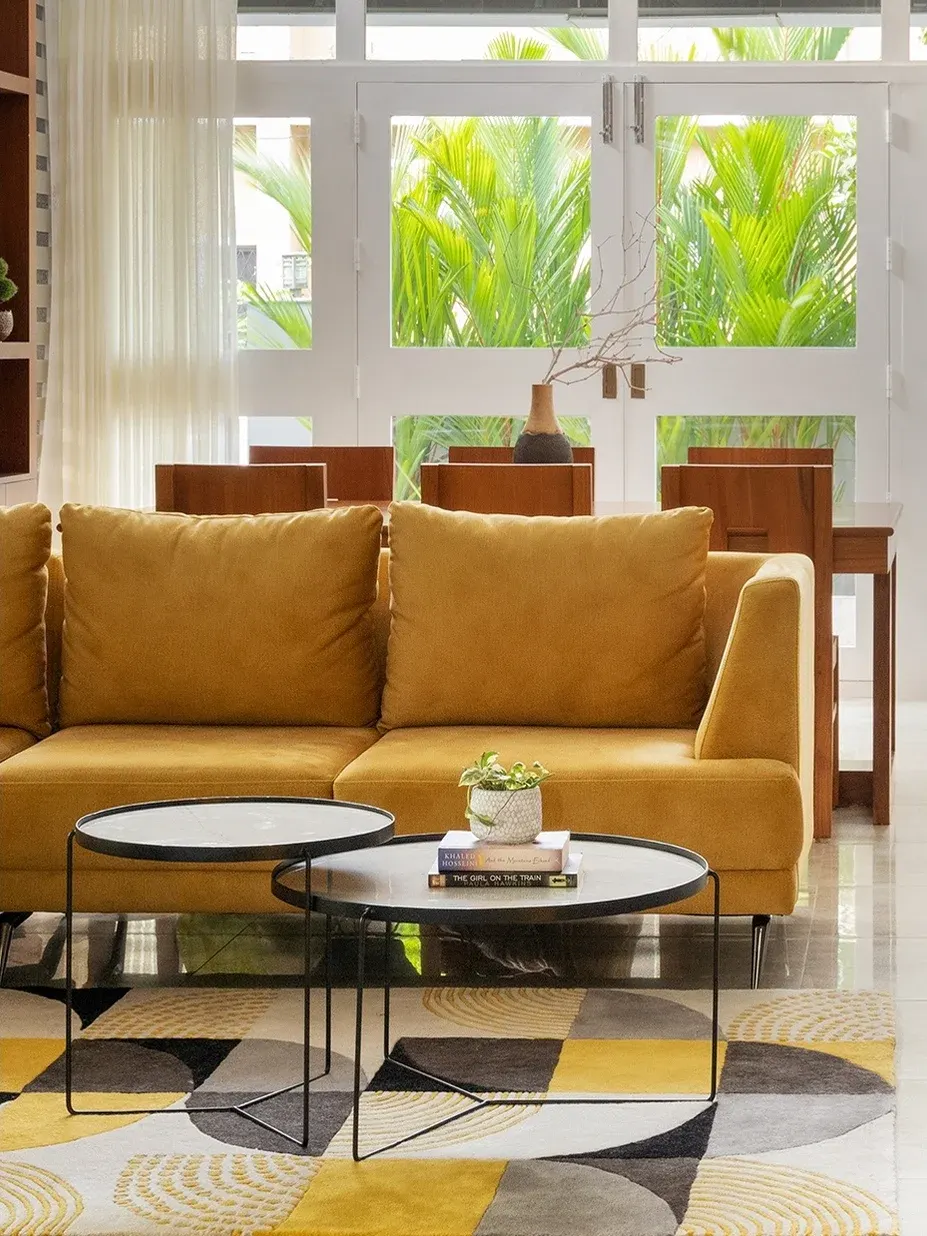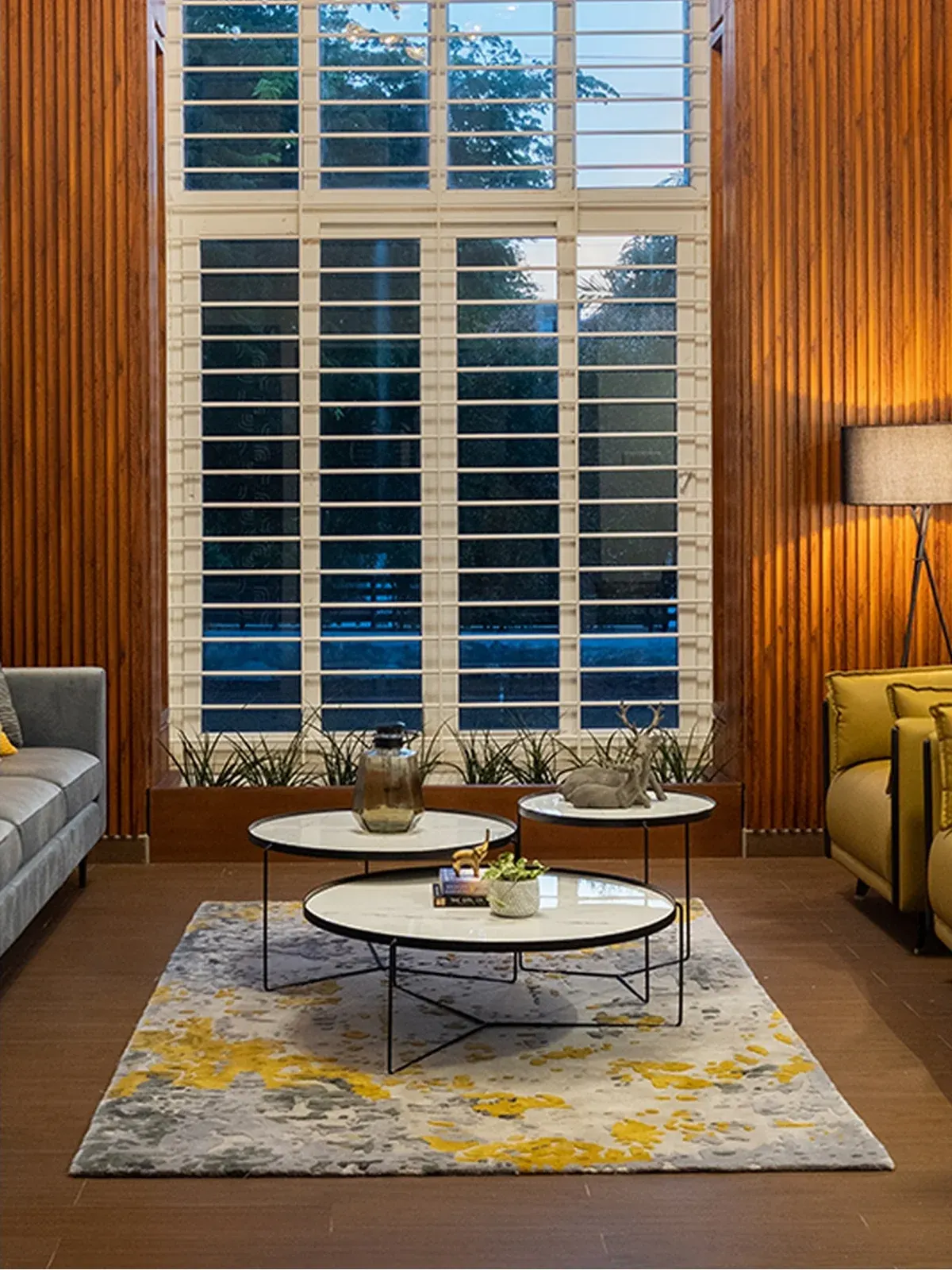
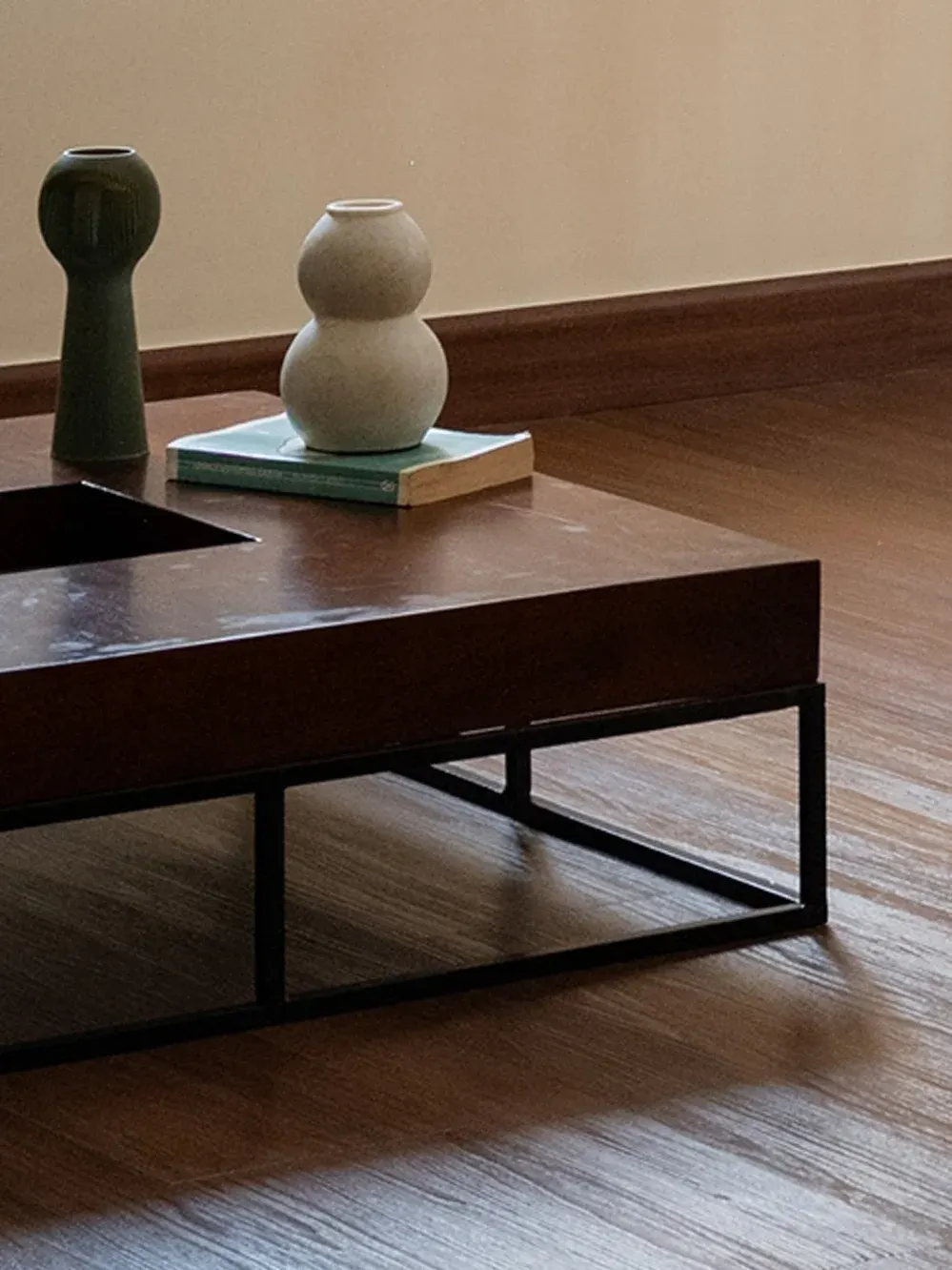
A custom furniture conversation becomes more useful when it begins with the way you live. You do not need a finished drawing or a vocabulary of materials. A clear description of what the piece must do, where it will sit and what matters to you can provide a thoughtful starting point.
Describe the everyday job
Begin with a short account of the need. Perhaps an entrance collects bags and keys, a console must sit beneath an existing artwork, or a table needs to work around the seating you already own. Describe what is difficult now and what you would like to feel easier.
Include who will use the piece and what it needs to hold. Storage for large objects raises different questions from a shallow drawer for small essentials. A dining table used for meals, work and occasional gatherings may need a different balance from one used only for entertaining.
Show the space as it is
Share photographs from more than one angle, including the furniture and fixed features nearby. Add a simple measured sketch with doors, windows, sockets and any awkward corners. Label the units clearly, and distinguish confirmed measurements from estimates.
Note any delivery restrictions as well as the final position. A staircase turn, lift doorway or narrow passage may affect what is practical. The studio will need to understand these constraints before a design and delivery arrangement can be confirmed.
Explain what you like in each reference
A small selection of references is often easier to discuss than a large folder of unrelated images. Say what interests you in each one: the curved edge, the quiet colour, the open base or the way the storage is arranged. Also mention anything you would change.
Treat a reference image as a prompt for conversation. Its construction, materials and finish may not be apparent from the photograph, and a visual resemblance alone does not establish how a piece will be made. Ask which details can be achieved and how proposed choices would affect the result.
Separate essentials from preferences
Make two short lists. Essentials might include fitting a particular wall, holding an existing object or keeping a doorway clear. Preferences might include a softer corner, a particular visual weight or a finish that sits comfortably with the room.
Share your budget range and the date you hope to have the piece. These are useful planning inputs, rather than a confirmed quote or delivery promise. If your timing depends on a move or another project, say so at the beginning.
Ask what needs to be agreed
Before proceeding, ask how the final design, dimensions and finish will be recorded. Clarify what the price includes, how changes are handled, and the proposed payment, delivery, assembly and aftercare arrangements. Keep any agreed drawings, samples and written details together so everyone is working from the same information.
A useful brief can be short: the purpose, a measured sketch, room photographs, a few explained references and your priorities. Bring these to a conversation with the studio. The aim is a piece shaped by a clear understanding of your space and the life it needs to support.